

Uncategorized
Finding Premium Concentrates: An Expert’s Sourcing Guide
Jan
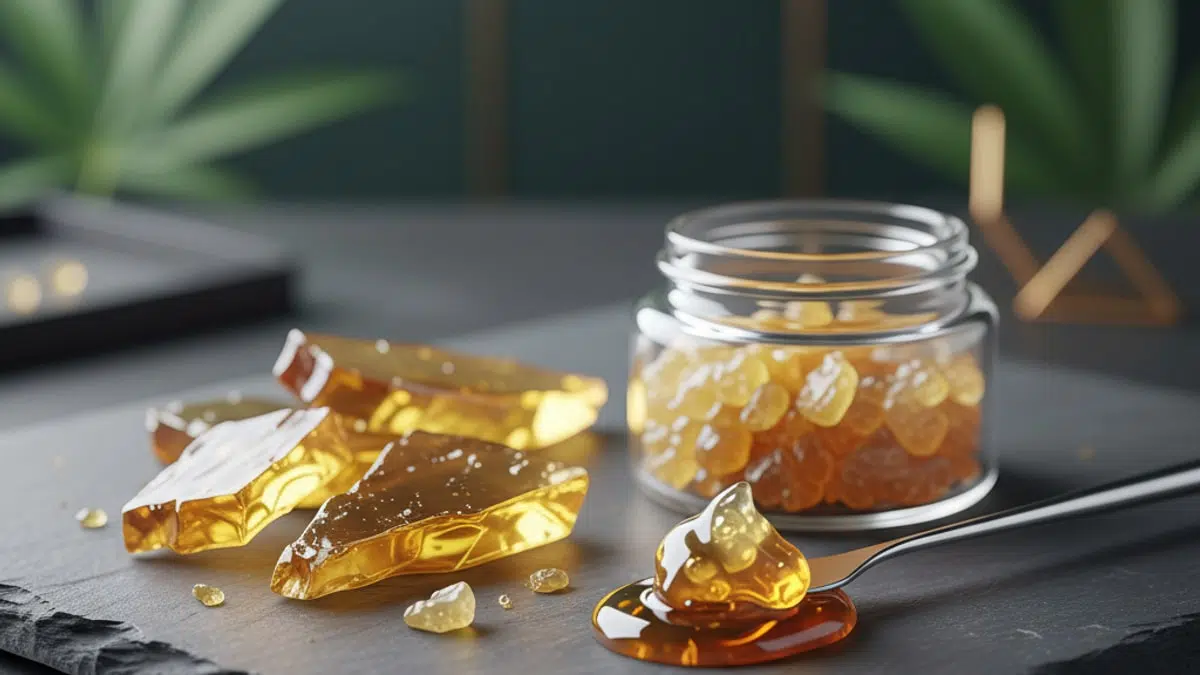
Let’s be honest for a second. The world of cannabis concentrates has exploded, and while that’s exciting, it’s also become incredibly difficult to navigate. You’re no longer just choosing between a few basic options; you’re facing a sprawling menu of acronyms and alluring names. Live rosin, budder, shatter, sauce, diamonds… it’s a lot. The biggest challenge? Sifting through it all to find something that’s genuinely premium.
It’s a question our team gets all the time: where do you actually find premium quality cannabis concentrates? It's not just about finding the strongest product. It's about finding a product that’s clean, flavorful, and delivers a consistent, exceptional experience. We've spent years building relationships, vetting producers, and analyzing lab results to perfect our own curation process. So, we're here to pull back the curtain and share what we've learned, helping you move from a hopeful consumer to a discerning connoisseur.
So, What Makes a Concentrate 'Premium Quality'?
Before we can talk about where to find the good stuff, we have to align on what “the good stuff” even is. The term 'premium' gets thrown around a lot, often losing its meaning. For us, it’s not a marketing buzzword. It’s a standard. A very high one.
Here’s what our team looks for as the non-negotiable pillars of quality:
-
Impeccable Source Material: This is the foundation. You can’t make a masterpiece from subpar ingredients. Premium concentrates begin with meticulously cultivated cannabis flower. We’re talking about plants grown in living soil, without pesticides, and harvested at the absolute peak of their trichome production. The starting material dictates the final product's potential for flavor and effect. It’s that simple. If the flower isn't top-tier, the concentrate never will be.
-
A Vibrant, Nuanced Terpene Profile: Potency is important, sure, but terpenes are where the magic happens. They are the aromatic compounds that give cannabis its distinctive smell and taste, from citrusy and piney to earthy and gassy. More importantly, they modulate the effects of cannabinoids in what's known as the entourage effect. A premium concentrate doesn’t just smell strong; it smells complex and true to the source strain. A whiff should transport you directly to the living plant. If it has a faint, chemical, or one-dimensional aroma, that’s a major red flag.
-
Purity and Safety: This is critical. We can't stress this enough. A premium concentrate must be completely free of residual solvents, pesticides, heavy metals, and other contaminants. The extraction process, when done correctly, should isolate the desirable compounds while leaving everything else behind. This isn't something you can see or smell. It requires unwavering trust in the producer and, most importantly, verifiable third-party lab testing. Without a Certificate of Analysis (COA), you’re flying blind.
-
The Right Extraction Method: The way cannabinoids and terpenes are separated from the plant matter has a monumental impact on the final product. There are two main families: solvent-based and solventless. While excellent products can be made with hydrocarbon solvents (like butane and propane) by true artisans, the pinnacle of purity and flavor expression is often found in solventless extraction. Methods like pressing rosin or making ice water hash preserve the full, unaltered profile of the plant. It’s a more labor-intensive process, but our experience shows the results are often unparalleled.
The Warning Signs: How to Dodge Disappointment
Just as important as knowing what to look for is knowing what to avoid. The market is filled with products that look the part but fall catastrophically short on experience. Our procurement team has a rigorous checklist for spotting these duds before they ever get near our menu.
Watch out for concentrates that have an unnaturally dark or green tint, which can indicate excess plant matter (chlorophyll) made its way into the final product. This often results in a harsh, bitter taste when consumed. While color isn't the only indicator—some extraction methods naturally produce darker results—it’s a piece of the puzzle. Another red flag is a harsh, chemical smell that overpowers any natural cannabis aroma. This could be a sign of improper purging, leaving residual solvents behind. Yikes.
Texture can also tell a story. Is the budder separating? Does the shatter “auto-budder” or turn opaque unexpectedly? These can be signs of instability or an improper dewaxing process. A premium product should be stable at room temperature and have a consistency that aligns with its type. Ultimately, the biggest red flag of all is a lack of transparency. If a producer or provider can’t (or won’t) provide a recent, comprehensive COA from a reputable lab, you should walk away. Period.
It's a difficult, often moving-target objective to maintain quality control. That’s why we’ve built our entire business model around doing that work for you.
Navigating Your Sourcing Options
Okay, you know what you're looking for. Now, where do you go? The landscape of options has its own set of pros and cons, and understanding them is key to making an informed choice. It's not just about convenience; it's about reliability and quality assurance.
Here’s a breakdown of the common avenues.
| Sourcing Option | Pros | Cons | Our Team's Take |
|---|---|---|---|
| Licensed Dispensaries | Regulated environment, professional staff, some level of product testing. | Product selection can be hit-or-miss, often focused on high volume over craft quality. Can be inconvenient. | A solid starting point, but you still need to be a discerning shopper. Don't assume everything on the shelf is 'premium.' Ask for COAs. |
| Specialized Delivery Services | Extreme convenience, curated menus focused on quality, direct-to-your-door service. | Requires trust in the service's curation process. You can't physically inspect products beforehand. | This is our model for a reason. A great service acts as your personal curator, doing the legwork to vet and source only the best products. |
| Direct from Processors | Potentially fresher product, direct relationship with the maker. | Very difficult to access for the average consumer, often requires industry connections. | The ideal scenario for connoisseurs, but not practical for most. This is the level of sourcing we strive to bring to our customers. |
| Gray Market / Events | Can sometimes find unique, small-batch products not available elsewhere. | Absolutely zero regulation, high risk of contaminants, no lab testing, no accountability. | We strongly advise against this. The potential savings are never worth the risk to your health and the likelihood of getting a subpar product. |
Each path has its place, but for those who value their time and demand consistent quality, a trusted, curation-focused delivery service offers a formidable advantage. You're not just buying a product; you're leveraging the provider's expertise and quality control standards. It’s a partnership.
Why the Extraction Method Is Everything
Let's dig a little deeper into the engine room of concentrate quality: the extraction method. This is where the science and artistry truly merge, and understanding the basics will empower you to choose products that align with your preferences for purity and flavor.
Solvent-based extractions, primarily using hydrocarbons like butane (BHO) or CO2, are the workhorses of the industry. When executed by a master technician in a closed-loop system, these methods can produce stunningly beautiful and potent products like shatter, sauce, and live resin. The key is the post-extraction purge—a process of removing every last trace of the solvent. A perfect purge is an art. An imperfect one is a health risk. This is where a company’s commitment to safety and quality is truly tested. We've seen it all, and we only partner with processors who have an unflinching commitment to purity, backed by lab tests.
Then there's the world of solventless extraction. This is a game-changer.
Solventless methods use only mechanical processes—like pressure, heat, and water—to separate trichome heads from the plant material. The two stars of this show are Ice Water Hash (or Bubble Hash) and Rosin. Ice water hash is created by agitating cannabis in ice-cold water, causing the resinous trichomes to freeze and break off, after which they are filtered and dried. The highest grades, known as full-melt, will vaporize completely without leaving any residue.
Rosin takes it a step further. By applying carefully controlled heat and immense pressure to either flower or hash, you can squeeze out a pure, potent, and incredibly flavorful oil. This is rosin. Because no solvents are ever introduced, the resulting product is a pure expression of the plant's profile. Live rosin, made from fresh-frozen material that was never dried or cured, is often considered the absolute apex of concentrate quality. It captures a snapshot of the living plant in its most aromatic state. Honestly, though, the flavor is on another level. It’s the closest you can get to the plant itself, and it’s why our curated menu heavily features solventless options from the best artisans in the craft.
The COA: Your Certificate of Confidence
We’ve mentioned it a few times, but it deserves its own section. The Certificate of Analysis, or COA, is the single most important document in the world of concentrates. It’s the unflinching, unbiased proof of a product’s quality, purity, and potency. Without it, any claim of being 'premium' is just talk.
So, what are you looking for on a COA? It’s more than just the THC percentage.
First, check the date. The test should be recent and for the specific batch you are considering purchasing. An old COA for a different batch is meaningless. Next, look at the full cannabinoid profile. This will show you the breakdown of THC, CBD, CBG, and other compounds. This helps you understand the potential effects far better than a single THC number ever could.
Then, find the terpene analysis. A great COA will list the top terpenes by percentage. This is your flavor and aroma roadmap. If a product is marketed as being high in limonene for an uplifting effect, the COA should back that up. Finally, and most critically, scroll down to the safety screening results. This section should show “Pass” or “ND” (None Detected) for pesticides, heavy metals, mycotoxins, and residual solvents (if it's a solvent-based extract). This part is non-negotiable.
Sourcing products with transparent, comprehensive, and verifiable COAs is a cornerstone of our philosophy at Splash Brothers. It’s a tremendous amount of work to vet every single batch, but it's the only way we can confidently stand behind every item on our menu. It’s the promise of safety and quality we make to our customers.
Our Curation Philosophy: How We Find the Best
So, how do we put all this knowledge into practice? Our approach isn't just about buying and reselling. It’s about active, relentless curation. Think of us as your personal concentrate sommelier. Our team has built a network of the most talented and passionate cultivators and extractors—the artists who share our obsession with quality.
Our process begins at the source: the farm. We look for growers who treat cultivation as a craft, focusing on genetics, sustainable practices, and harvesting at the perfect moment. From there, we follow the material to the lab. We only work with extraction artists who are masters of their trade, whether they specialize in delicate solventless refinement or high-tech hydrocarbon extraction. We review their processes, their equipment, and, of course, their COAs for every single batch.
But data only tells part of the story. The final test is sensory evaluation. Our expert panel assesses every potential product for its aroma, flavor, effects, and overall experience. Does it taste clean? Is the high well-rounded and pleasant? Does it represent the pinnacle of its strain and category? Only the products that receive a unanimous 'yes' from our team make it onto our platform.
This meticulous, multi-step vetting process is what allows us to be the definitive answer to the question, “where to find premium quality cannabis concentrates?” We’ve done the legwork—the traveling, the testing, the tasting—so you don't have to. You can simply explore our collection with the confidence that every single item meets the highest possible standard of excellence. When you're ready to see the difference that true curation makes, you can Get Started Today and experience it for yourself.
The search for quality can be daunting, but it doesn't have to be. By focusing on the source material, understanding the extraction method, demanding transparency, and partnering with a provider you trust, you can elevate your experience from ordinary to extraordinary. It's about respecting the plant, the process, and ultimately, yourself.
Frequently Asked Questions
What’s the main difference between live resin and live rosin?
▼
The key difference is the extraction method. Live resin is made using chemical solvents like butane on fresh-frozen cannabis, while live rosin is made using only heat and pressure (a solventless process) on that same material. Both are prized for their strong terpene profiles, but rosin is often preferred by purity purists.
Is a higher THC percentage always better?
▼
Not at all. While THC is the primary psychoactive compound, the overall experience is shaped by the full spectrum of cannabinoids and terpenes. A concentrate with 80% THC and a rich terpene profile will often provide a more nuanced and enjoyable experience than one with 95% THC and little flavor.
How should I properly store my cannabis concentrates?
▼
To preserve their potency and terpenes, you should store concentrates in an airtight container (preferably glass) in a cool, dark place. For long-term storage, the refrigerator is an excellent option. This prevents degradation from heat, light, and air.
Why do some concentrates have different colors and textures?
▼
Color and texture are influenced by several factors, including the starting material (fresh vs. cured), the extraction method, and post-processing techniques like whipping. For example, shatter is glass-like, while budder is whipped to create a creamy, opaque consistency.
What does ‘full-spectrum’ actually mean?
▼
Full-spectrum means the concentrate contains the complete range of cannabinoids and terpenes present in the original cannabis plant. This is desirable because these compounds work together synergistically in the ‘entourage effect,’ creating a more holistic and effective experience than isolated compounds like THC distillate.
Is darker-colored rosin lower quality?
▼
Not necessarily. While very dark or green colors can indicate impurities, the color of rosin is also heavily influenced by the age and quality of the starting material. Older, more mature trichomes will naturally produce a darker, though still very high-quality, rosin.
What is a Certificate of Analysis (COA) and why is it important?
▼
A COA is a lab report that verifies a product’s contents and purity. It’s critically important because it confirms the cannabinoid and terpene levels and, most importantly, proves the product is free from harmful contaminants like pesticides, heavy metals, and residual solvents. We believe it’s a non-negotiable for any premium product.
Can I trust a concentrate that doesn’t come with a COA?
▼
Our team’s firm recommendation is no. A lack of transparent, third-party lab testing is the biggest red flag in the industry. Without a COA, there is no way to verify the product’s safety, potency, or purity, and the risk is simply not worth it.
What is ‘CRC’ and should I avoid it?
▼
CRC stands for Color Remediation Column, a filtration technique used to lighten the color of an extract. While it can be used to ‘clean up’ the appearance of lower-quality material, it can also strip terpenes and flavor when used improperly. We generally prefer products that don’t require CRC, as their quality speaks for itself.
Are solventless concentrates safer than solvent-based ones?
▼
When made correctly, both can be perfectly safe. However, solventless concentrates have an inherent safety advantage because no chemical solvents are ever introduced into the process. A properly purged solvent-based extract from a reputable producer is safe, but solventless methods remove that variable entirely.
How can I tell if my concentrate has residual solvents?
▼
Aside from checking a COA, a key indicator is a harsh, chemical taste or an unusually harsh feeling on your lungs. Sometimes, a ‘sizzling’ sound during vaporization can also be a red flag. The best way to be certain is to source from trusted providers who offer full lab reports for every batch.
What makes a delivery service a good source for concentrates?
▼
A top-tier delivery service acts as an expert curator, not just a storefront. We do the exhaustive work of vetting producers, scrutinizing lab tests, and sampling products to ensure only the absolute best reaches the menu. This saves you time and guarantees quality.