

Uncategorized
Where to Buy Flavor Concentrates: An Insider’s Look for 2024
Jan
Your Guide to Sourcing High-Quality Flavor Concentrates
Let's talk about flavor. It’s the first impression and the lasting memory of countless products we consume, from a morning seltzer to the complex profile of a premium vape cartridge. For us, and for anyone serious about creating a top-tier product, flavor isn't just an ingredient; it's the entire experience. Yet, the question of where to buy flavor concentrates remains a surprisingly murky topic, filled with sprawling options and a frustrating lack of clear guidance. It’s a world we’ve navigated extensively while curating the products you see on our website, and frankly, we've learned a few things along the way.
This isn't just a list of stores. We're pulling back the curtain on the entire flavor concentrate supply chain. We'll explore the massive industrial suppliers, the nimble boutique shops, and the critical differences between them. Our goal is to give you the framework our own team uses to evaluate quality, so you can make informed decisions whether you're a DIY hobbyist, a small brand founder, or simply a connoisseur who demands to know what's in your products. This is about empowering you with expert knowledge. Because a better-educated consumer pushes the entire industry to be better. It’s that simple.
First, What Exactly Are We Talking About?
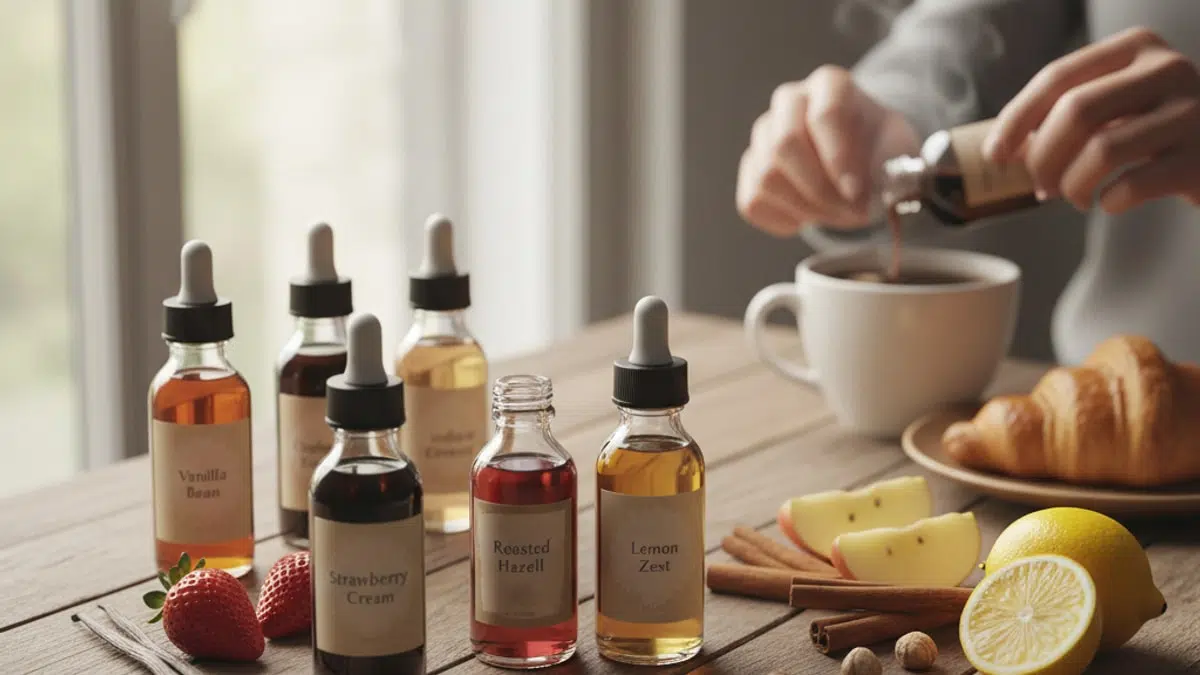
Before we dive into where to buy, we need to be crystal clear on what we’re buying. The term 'flavor concentrate' is a massive umbrella. At its core, it’s a highly concentrated compound, or blend of compounds, designed to impart a specific taste and aroma. They are the fundamental building blocks. You don't consume them directly; they're meant to be diluted into a base, whether that's a beverage, a baked good, or the vegetable glycerin (VG) and propylene glycol (PG) base of an e-liquid.
These concentrates come in a few key varieties:
- Natural Flavors: Derived from actual source materials like fruits, spices, or plant matter through processes like distillation or extraction. They offer an authentic taste but can be more expensive and sometimes less stable.
- Artificial Flavors: Created synthetically in a lab to mimic natural flavors. These are often more potent, stable, and cost-effective. Don't let the word 'artificial' scare you; they are meticulously engineered for safety and consistency in food-grade applications.
- Natural and Artificial (N&A) Blends: A hybrid approach, using both to achieve a desired profile that might be difficult or costly to create with natural ingredients alone.
Our team has found that the best product formulators often use a sophisticated mix. A natural extract might provide the authentic base note, while an artificial component sharpens the profile and ensures it doesn't fade over time. It’s a genuine art form. The carrier base is also a critical, non-negotiable element. Most concentrates are suspended in either Propylene Glycol (PG), which carries flavor exceptionally well, or Vegetable Glycerin (VG), which is thicker and has a slightly sweet taste. The choice of base can dramatically affect the final product's performance and mouthfeel.
The Two Main Arenas: Wholesale vs. Retail
You've got two primary avenues for sourcing these ingredients, and they serve completely different needs. Understanding which path is right for you is the first major step. It’s the difference between buying a truckload of lumber from a mill or a few perfect planks from a specialty woodworker.
One isn't inherently better than the other. They're just different tools for different jobs. Let's break it down.
The Titans: Bulk and Wholesale Suppliers
This is the big league. These are the sprawling, industrial-scale manufacturers that supply major food, beverage, and vape brands. When you buy from a wholesaler, you're often buying directly from the source or a major distributor that handles logistics for them. Think of them as the behind-the-scenes powerhouses of the flavor world.
Who are they for? Primarily, they serve commercial clients: established e-liquid companies, food manufacturers, and any business that needs large, consistent batches of flavor. We're talking orders in gallons and drums, not tiny dropper bottles. To work with them, you typically need a business license and the capacity to meet their Minimum Order Quantities (MOQs), which can be substantial.
The Upside:
- Cost-Effectiveness: The price per milliliter is dramatically lower when you buy in bulk. It's the most economical way to produce a product at scale.
- Unflinching Consistency: These companies have rigorous quality control. A batch of 'Strawberry Supreme' you buy today will taste identical to one you buy six months from now. This is absolutely critical for brand trust.
- Documentation: Professional suppliers provide extensive documentation, including Safety Data Sheets (SDS) and Certificates of Analysis (COA). This paperwork is essential for compliance and safety.
- Vast Selection: They often have libraries with thousands of flavors, from simple fruits to complex dessert and beverage profiles.
The Downside:
- High Barriers to Entry: As we mentioned, the MOQs can be a dealbreaker for anyone just starting out. You can't just order a few ounces to experiment with.
- Less 'Curated' Experience: You're not getting hand-picked, artisanal blends. You're getting reliable, industrial-grade components that you often need to blend and tweak yourself to create something unique.
Our experience shows that building a relationship with a reliable wholesale supplier is a cornerstone of scaling a successful brand. The consistency they provide is the bedrock upon which you build customer loyalty. But it's not the place to start if you're just dipping your toes in the water.
The Artisans: Specialty and Boutique Retailers
Now, this is where it gets interesting for the smaller players. A vibrant ecosystem of online retailers has emerged to serve the DIY community, craft e-liquid makers, and small businesses. These shops buy flavors in bulk from the big manufacturers and then rebottle them into smaller, more accessible sizes—from 10ml to 500ml bottles.
These retailers are more than just resellers, though. The best ones are curators. They carefully select the best flavors from various manufacturers, creating a one-stop shop for high-quality, tested ingredients. They are the gatekeepers and the guides for the craft community.
The Upside:
- Accessibility: No MOQs! You can buy a tiny bottle to test a new recipe without committing to a gallon.
- Curated Selection: These retailers often do the hard work for you, weeding out the bad flavors and highlighting the best ones. Many build their reputations on the quality of their catalog.
- Community and Support: They're often run by enthusiasts who are active in the community. You'll find reviews, recipe suggestions, and helpful customer service.
- Variety from Multiple Brands: You can buy flavors from ten different manufacturers all in one order, making experimentation easy and efficient.
The Downside:
- Higher Cost: You're paying a premium for the convenience of rebottling and curation. The per-milliliter cost is significantly higher than buying wholesale.
- Potential for Inconsistency: While reputable retailers are meticulous, the act of rebottling introduces another step where errors (like mislabeling or cross-contamination) could theoretically occur, though it's rare with top-tier vendors.
For anyone starting a small brand or perfecting a personal recipe, these specialty retailers are an indispensable resource. They democratize access to high-quality ingredients. They are the lifeblood of innovation in the space.
| Feature | Wholesale Suppliers | Specialty Retailers |
|---|---|---|
| Target Audience | Large Brands, Commercial Producers | DIY Hobbyists, Small Businesses |
| Minimum Order | High (Gallons/Drums) | None (Small Dropper Bottles) |
| Cost Per Unit | Very Low | High |
| Selection | Massive but Uncurated | Curated, Best-of-the-Best |
| Documentation | Comprehensive (COAs, SDS) | Often Limited to Manufacturer's Original |
| Accessibility | Low (Requires Business Account) | Very High (Open to Public) |
A Critical Distinction: Flavorings vs. Terpenes
Here's where we get into the nuances that separate standard products from premium, connoisseur-grade experiences. In our industry, there's a world of difference between a generic, candy-like 'Blueberry' flavor concentrate and a complex, strain-specific terpene profile. We can't stress this enough.
Flavor Concentrates, as we've been discussing, are typically food-grade compounds designed to mimic a specific taste. They're fantastic for creating delicious, predictable flavor profiles, especially in edibles and certain vape products.
Terpene Blends, on the other hand, are a different beast entirely. Terpenes are the aromatic compounds found in cannabis and many other plants that give them their unique scent and flavor—think of the piney aroma of pinene or the citrusy notes of limonene. Sourcing high-quality terpenes is about more than just taste; it's about recreating an authentic plant experience. They can be:
- Cannabis-Derived: Extracted directly from cannabis plants. These are the most authentic but also the most expensive and legally complex to source.
- Botanically-Derived: Extracted from other plants (like lemons, pine trees, etc.) and blended to mimic a specific cannabis strain's profile.
- Synthetic: Created in a lab, offering high purity and consistency.
When we evaluate potential products for the Splash Brothers platform, understanding the source and quality of the terpenes is paramount. Why? Because terpenes do more than just provide flavor. They are believed to contribute to the 'entourage effect,' where the various compounds in cannabis work synergistically to create a more nuanced and effective experience. A product that uses a generic fruit flavoring will feel fundamentally different from one that uses a carefully reconstructed Jack Herer terpene profile. One is a flavor; the other is an experience.
Sourcing terpenes is a specialty field. You don't typically buy them from the same places you'd buy food-grade flavor concentrates. You go to specialized labs and suppliers who focus exclusively on terpene isolation and blending. Their process is scientific, precise, and focused on authenticity above all else.
Our Unflinching Checklist for Choosing a Supplier
Whether you're buying a gallon of vanilla or a milliliter of rare terpenes, the principles of vetting a supplier remain the same. Our internal team uses a version of this checklist, and it has never steered us wrong. This is what separates the reliable partners from the risky bets.
-
Transparency and Documentation. Period.
This is non-negotiable. A reputable supplier will proudly provide documentation for their products. Look for Safety Data Sheets (SDS) and, most importantly, Certificates of Analysis (COA) from a third-party lab. The COA should verify the product's purity and confirm it's free from harmful substances like heavy metals, pesticides, and contaminants. If a supplier is hesitant to share this information? Run. That's a catastrophic red flag. -
Ingredient Clarity.
You need to know exactly what's in the bottle. Is it PG-based? VG-based? Alcohol-based? Does it contain any known compounds of concern like diacetyl, acetyl propionyl, or acetoin? The best suppliers provide clear, unambiguous ingredient lists. Vague marketing terms are another red flag. We want specifics. -
Industry Reputation and Unbiased Reviews.
Do your homework. What are other formulators and DIYers saying about them? Look for reviews on independent forums and social media groups, not just the testimonials on their own website. A long-standing positive reputation in the community is worth its weight in gold. Our team spends a significant amount of time in these communities to gauge sentiment on ingredient suppliers—it's an invaluable source of real-world data. -
Customer Support and Expertise.
Try contacting their customer support with a technical question. Ask about the solubility of a specific concentrate or recommendations for pairing flavors. A great supplier has a knowledgeable team that can provide real guidance. A bad supplier has a generic contact form that goes into a black hole. The quality of their support often reflects the quality of their operation. -
Cleanliness and Professionalism.
Does their website look professional and secure? Are their product labels clear and informative? Does their packaging prevent leaks and protect the product from light? These small details speak volumes about their commitment to quality control. It all matters.
The Future Is Here: What's Next in Flavor?
The world of flavor technology is moving at a relentless pace. We're seeing a significant, sometimes dramatic, shift toward more sophisticated and functional ingredients. A few trends our team is watching closely include:
- Water-Soluble Concentrates: The demand for high-quality cannabis-infused beverages is exploding. This has driven incredible innovation in water-soluble flavorings and terpene emulsions that can be seamlessly mixed into liquids without separating. The result is better taste, faster onset, and more consistent dosing.
- Nano-Emulsions: This technology breaks down flavor and active compounds into microscopic particles, increasing their bioavailability and stability. It's a game-changer for creating products with a rapid, predictable effect.
- Hyper-Realism: The push for authenticity is formidable. Companies are using advanced analytics like gas chromatography to map the precise terpene profile of a specific cannabis harvest and then recreate it perfectly. This allows for an experience that is virtually indistinguishable from the original flower.
Staying on top of these innovations is part of our commitment to quality. The products of tomorrow are being developed in the labs of these flavor houses today, and understanding this landscape is crucial for anyone who wants to be a leader in this space.
Knowing where to buy flavor concentrates is more than a logistical challenge; it's about understanding the very soul of a product. The choice of supplier and the quality of the ingredients have a cascading effect on everything that follows, from the safety and consistency of the final product to the loyalty of the end consumer. It’s a responsibility we take incredibly seriously in our own curation process. By prioritizing transparency, documentation, and quality, you're not just buying an ingredient—you're investing in trust.
It’s this deep-seated commitment to understanding every single component that guides our own selection process. If you’re ready to experience the profound difference that this level of quality makes in a finished product, you can Get Started Today by exploring our carefully curated collection.
Frequently Asked Questions
Are food-grade flavor concentrates safe for all uses?
▼
While they are certified safe for ingestion (eating and drinking), their safety for inhalation is a more complex topic. We strongly recommend only using concentrates specifically designated and tested as ‘inhalation-safe’ by the manufacturer for any vape-related applications.
What is the difference between PG and VG based flavor concentrates?
▼
Propylene Glycol (PG) is a thin, effective flavor carrier, providing a stronger ‘throat hit’ in vapes. Vegetable Glycerin (VG) is thicker, slightly sweet, and produces more vapor. Most products use a blend of both to balance flavor intensity and vapor production.
How should I properly store my flavor concentrates?
▼
Our team recommends storing them in a cool, dark place, away from direct sunlight and heat. An airtight container, like the original bottle, is best. Proper storage can preserve their potency and flavor profile for a year or even longer.
What does MOQ mean when buying from a supplier?
▼
MOQ stands for Minimum Order Quantity. It’s the smallest amount of product you can purchase in a single order, a common requirement for wholesale suppliers to ensure their large-scale production remains profitable.
Can I mix flavor concentrates from different brands?
▼
Absolutely. This is one of the most creative parts of DIY formulation. Mixing concentrates from different manufacturers is a standard practice for creating unique and complex flavor profiles that you can’t find off the shelf.
What is a Certificate of Analysis (COA)?
▼
A COA is a lab report from a third-party testing facility that verifies a product’s contents and purity. It’s a critical document that confirms a concentrate is free from harmful contaminants like heavy metals, pesticides, or residual solvents.
Why do some flavor concentrates need ‘steeping’?
▼
Steeping is a process of letting a mixed liquid (like a DIY e-juice) sit for a period of time. This allows the complex molecules in the flavor concentrates to fully blend and bond with the base, often resulting in a smoother, richer, and more cohesive flavor profile.
What’s the difference between a flavor concentrate and a terpene blend?
▼
Flavor concentrates are typically food-grade compounds designed to mimic a specific taste, like strawberry or vanilla. Terpene blends are aromatic compounds specifically formulated to replicate the complex scent and flavor profile of a plant, such as a particular cannabis strain.
How much flavor concentrate should I use in a recipe?
▼
This varies dramatically based on the concentrate’s potency. We recommend starting low, typically between 1-5% of your total liquid volume, and adjusting to taste. Some super-concentrated flavors may require even less.
Are natural flavors always better than artificial ones?
▼
Not necessarily. While ‘natural’ sounds appealing, artificial flavors are often more stable, potent, and consistent. Many of the most popular and complex flavor profiles are achieved using a precise blend of both natural and artificial components.
What are the main red flags to watch for in a supplier?
▼
The biggest red flags our team watches for are a lack of third-party lab testing (COAs), vague ingredient lists, an unprofessional website, and overwhelmingly negative reviews on independent forums. Any one of these is cause for serious concern.